The best hi-vis is the one still on at 3pm. A practical guide to picking site gear your crew won’t take off the moment you turn around.
You can buy the most compliant PPE on the market and still have an incident, because compliance doesn’t matter if it’s in the ute. The goal is gear that’s comfortable enough nobody bothers removing it.
Hi-vis: fabric weight is everything
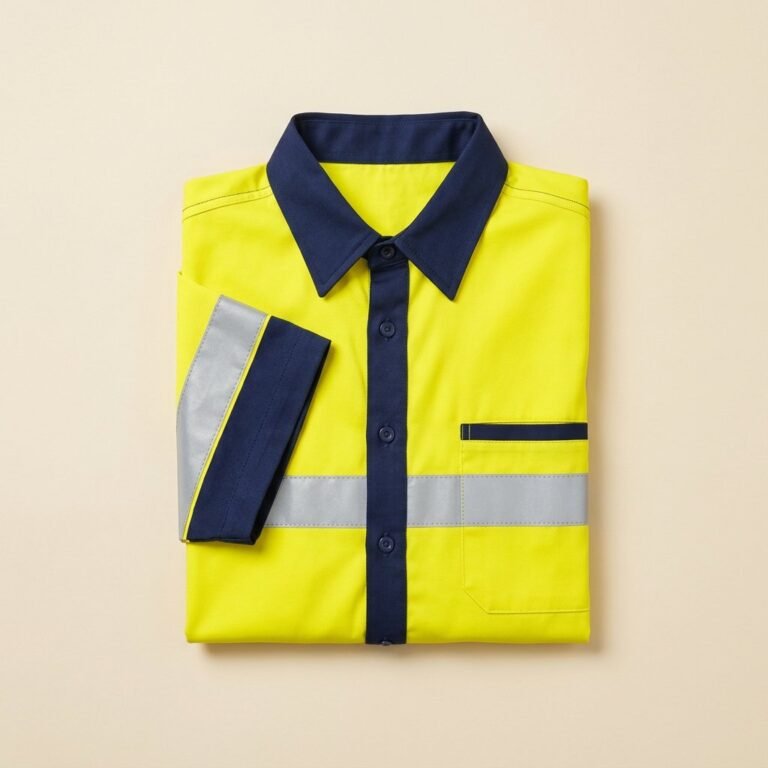
Heavy cotton drill feels tough but cooks you in a Queensland summer. Look for 150–190gsm cotton-rich fabric with a vented mesh back yoke, and check that the reflective tape is segmented — solid tape doesn’t stretch and peels after thirty washes.
Gloves: match the hazard, not the habit
Cut-resistant gloves are rated A through F under AS/NZS 2161.3. Sheet metal and glass want level C or above with a nitrile palm dip; general handling is fine at A or B. Wearing an F-rated glove for a job that needs an A is like wearing a welding helmet to sweep the floor — technically protective, practically useless.
Eyewear: anti-fog or nothing
If they fog, they come off. Look for AS/NZS 1337.1 medium impact with a genuine anti-fog coating on both sides, and a wrap-around shape that closes the side gaps. Buy three pairs so there’s always one within reach.
Boots: the sole is the spec
200J steel or composite toe is the baseline. What actually fails is the outsole — you want oil and slip resistance rated for wet concrete, and a stitched (not glued) sole construction if you’re hard on them.
Respirators: fit beats filtration
A P2 mask that doesn’t seal against your face filters nothing. Flat-fold masks with an adjustable nose bridge fit more faces than rigid cups, and a valve makes a twelve-hour day bearable.
Trade desk
Spec a kit, check stock or get a freight quote — a human answers in under an hour on weekdays.